
Eco-Friendly Benefits of Artificial Leather: A Sustainable Alternative
Artificial leather, also known as synthetic or faux leather, has emerged as a sustainable and ethical alternative to conventional leather in recent years. As concerns about environmental impact and animal welfare continue to grow, the demand for eco-friendly materials has skyrocketed. This article explores the various eco-friendly benefits of artificial leather, delving into its composition, manufacturing process, and the positive implications it has on the environment. Additionally, it examines the role of artificial leather in conserving wildlife, promoting sustainable practices, and contributing to a circular economy. By understanding the advantages and potential of artificial leather, we can embrace a more sustainable future while still enjoying the look and feel of traditional leather products.


1. Introduction: The rise of artificial leather as an eco-friendly alternative
– Growing demand for sustainable materials
These days, more and more people are getting serious about sustainability. The demand for eco-friendly products has been steadily on the rise, and materials are no exception. Enter artificial leather, the sustainable superhero of the fashion world.
– Transition from conventional leather to artificial leather
For centuries, conventional leather has been the go-to material for everything from shoes to handbags. However, the environmental impact of the leather industry is no small matter. Fortunately, artificial leather, also known as faux leather or vegan leather, has stepped in as a responsible alternative that puts the planet first.
2. Understanding artificial leather: Composition and manufacturing process
– Composition of artificial leather
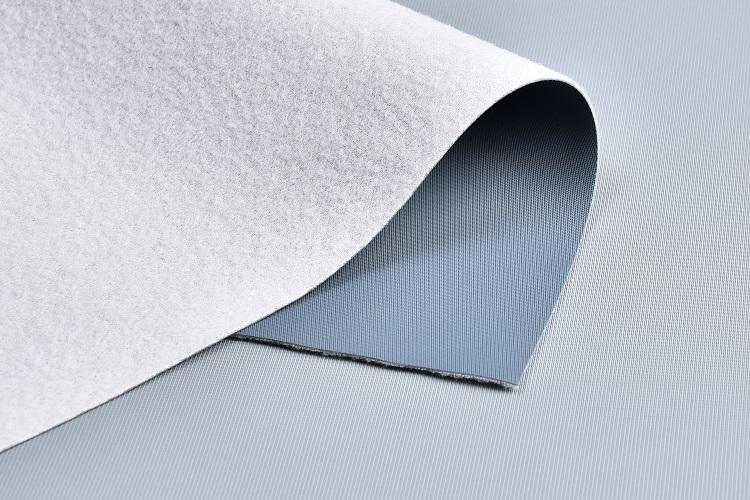
So, what exactly is artificial leather made of? Well, it’s not rocket science. Artificial leather is typically composed of a fabric or a synthetic material coated with a polyurethane (PU) or polyvinyl chloride (PVC) layer. These coatings give the material its leather-like appearance and texture.
– Different types of artificial leather
Artificial leather comes in various forms, each with its own unique properties. You’ve got PU leather, which is soft, flexible, and often used in upholstery. Then there’s PVC leather, which is more durable, water-resistant, and commonly found in accessories like bags and belts. Whatever your preference, there’s an artificial leather option to suit your needs.
– Manufacturing process of artificial leather
Creating artificial leather is no complicated alchemy. The manufacturing process involves bonding the fabric or synthetic material with the PU or PVC coating. This process not only gives the material its leather-like qualities but also ensures its durability and longevity.
3. Reduced environmental impact: Benefits of using artificial leather
– Lower carbon footprint compared to conventional leather
One of the biggest advantages of artificial leather is its significantly lower carbon footprint compared to conventional leather. The production of artificial leather requires fewer resources and emits fewer greenhouse gases, making it a more planet-friendly choice.
– Reduced water usage and pollution
Did you know that leather production requires copious amounts of water? From raising livestock to tanning hides, water is a precious resource that often gets wasted in traditional leather manufacturing. Artificial leather, on the other hand, requires far less water, reducing water consumption and the pollution associated with leather production.
– Minimized deforestation and habitat destruction
The leather industry is linked to deforestation and habitat destruction due to the demand for grazing land and the logging of trees to make way for livestock. By choosing artificial leather, you can help minimize these environmental impacts and contribute to the preservation of our precious forests.
4. Conservation of wildlife: The role of artificial leather in protecting animal species
– The impact of leather production on animal populations
It’s no secret that traditional leather production takes a toll on animal populations. The demand for leather goods drives the need for animal hides, resulting in the exploitation and often cruel treatment of animals. By opting for artificial leather, you can help reduce the demand for genuine leather, ultimately protecting animal species and promoting ethical practices.
– Artificial leather as a cruelty-free alternative
If you’re passionate about animal welfare, artificial leather is the way to go. Unlike conventional leather, which comes from animal hides, artificial leather is entirely cruelty-free. No animals are harmed in its production, allowing you to enjoy fashion guilt-free.
– Preserving endangered species and biodiversity
With many animal species facing the threat of extinction, it’s crucial to consider the impact of our consumer choices. By embracing artificial leather, you support the preservation of endangered species and the preservation of biodiversity, ensuring a healthier and more balanced ecosystem.
So, next time you’re on the hunt for a fashionable accessory or a snazzy pair of shoes, why not go for a sustainable option? Artificial leather not only offers a range of styles and textures but also helps protect our planet and its precious inhabitants. Plus, you’ll be walking around with a lighter environmental footprint and a spring in your step. It’s a win-win!


5. Sustainable practices: Promoting ethical and responsible production
Artificial leather is not just a sustainable alternative in terms of materials, but it also promotes ethical and responsible production practices. Companies that produce artificial leather are increasingly prioritizing fair labor practices, ensuring that workers involved in the manufacturing process are treated fairly and provided with safe working conditions. This commitment to social responsibility extends beyond the factory walls and into the supply chains, where efforts are made to support sustainable practices. By sourcing materials from suppliers who prioritize environmental and social sustainability, artificial leather manufacturers contribute to a more ethical and responsible industry. Additionally, certifications and standards for eco-friendly production, such as the Global Recycled Standard and Bluesign certification, further ensure that artificial leather is produced in a way that minimizes negative environmental impacts.
6. Recycling and waste reduction: Artificial leather’s contribution to a circular economy
One of the most significant eco-friendly benefits of artificial leather is its contribution to a circular economy. Innovations in recycling artificial leather have made it possible to transform discarded products and manufacturing waste into new materials. This not only reduces the need for virgin materials but also minimizes waste generation and landfill impact. Additionally, efforts are being made to extend the lifespan of artificial leather products. By designing products that are durable and long-lasting, artificial leather reduces the demand for frequent replacements, ultimately reducing waste.
7. Health and safety considerations: Examining the eco-friendliness of artificial leather
When discussing the eco-friendliness of artificial leather, it’s important to consider health and safety factors as well. While the production of artificial leather does involve the use of chemicals, advancements have been made to reduce the environmental impact and toxicity of these substances. Strict regulations and quality control measures are in place to evaluate the safety and toxicity of artificial leather products. It is essential to note that compared to traditional leather, which often involves the use of harmful chemicals such as chromium salts in the tanning process, the chemicals used in artificial leather production are generally less harmful to human health.
8. Future prospects: Innovations and advancements in sustainable artificial leather
The future of sustainable artificial leather looks promising. Researchers and manufacturers are constantly working on developing and advancing eco-friendly materials. From bio-based alternatives made from plant fibers to recycled synthetic fabrics, these innovations aim to reduce the environmental impact of artificial leather even further. Technological advancements also play a crucial role, with improvements in production processes and energy efficiency contributing to enhanced sustainability. Moreover, market trends and growing consumer demand for sustainable alternatives are driving the development and adoption of more eco-friendly artificial leather options, ensuring a bright future for this sustainable alternative.In conclusion, artificial leather has proven itself to be a viable and eco-friendly alternative to traditional leather. Its reduced environmental impact, conservation of wildlife, and commitment to sustainable practices make it a compelling choice for conscious consumers. With advancements in recycling technologies and ongoing research for improved sustainability, the future looks promising for artificial leather. By embracing this sustainable alternative, we can contribute to a greener and more ethical world without compromising on style and quality.