

Easy Maintenance: Cleaning and Caring for Artificial Leather Products
Artificial leather, also known as faux leather or synthetic leather, has gained popularity due to its affordability, durability, and versatility as an alternative to genuine leather. However, just like genuine leather, artificial leather products require regular cleaning and care to maintain their appearance and extend their lifespan. In this article, we will delve into the world of artificial leather and explore the essential maintenance techniques necessary to keep your artificial leather products looking fresh and beautiful. From understanding the basics of artificial leather to learning the proper cleaning methods and long-term care tips, this guide will help you ensure that your artificial leather products remain in pristine condition for years to come.


1. Introduction: Understanding Artificial Leather and its Maintenance Needs
1.1 What is Artificial Leather?
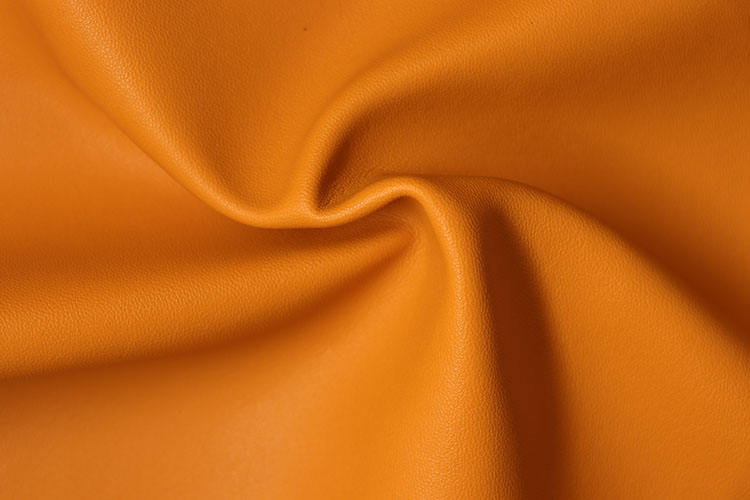
Artificial leather, also known as faux leather or synthetic leather, is a man-made alternative to genuine leather. It is created using various materials such as polyvinyl chloride (PVC) or polyurethane (PU) that mimic the appearance and texture of real leather. Artificial leather is widely used in many products, including furniture, clothing, bags, and shoes.
1.2 Advantages and Disadvantages of Artificial Leather
Artificial leather has gained popularity over the years due to its affordability, versatility, and cruelty-free nature. Unlike genuine leather, it does not require the use of animal hides, making it a more ethical choice for consumers. Additionally, artificial leather is available in a wide range of colors, patterns, and textures, allowing for a variety of design options.
However, it is important to note that artificial leather does come with its share of disadvantages. It is less breathable than real leather, which can make it less comfortable in hot weather. It may also be more prone to wear and tear, as it is not as durable as genuine leather. Proper cleaning and care are essential to maintain its appearance and extend its lifespan.
2. Importance of Regular Cleaning and Care for Artificial Leather Products
2.1 Prolonging the Lifespan of Artificial Leather
Regular cleaning and care of artificial leather products are crucial in extending their lifespan. Over time, dirt, dust, and oils can accumulate on the surface, causing it to become dull and prone to cracking. By cleaning the artificial leather regularly, you can prevent the buildup of grime and maintain its integrity, ultimately prolonging its use.
2.2 Preserving the Appearance and Texture of Artificial Leather
Cleaning and caring for artificial leather also help in preserving its appearance and texture. Without proper maintenance, the surface may become stained, discolored, or faded, detracting from its original beauty. By following the right cleaning techniques and using suitable products, you can keep your artificial leather products looking fresh and vibrant for longer.

3. Essential Tools and Materials for Artificial Leather Maintenance
3.1 Choosing the Right Cleaning Products
When it comes to cleaning artificial leather, it is essential to choose the right products. Look for mild, pH-neutral cleansers specifically designed for synthetic materials. Avoid using harsh chemicals or abrasive cleaners, as they can damage the surface and strip away the protective coating. Always read the manufacturer’s instructions and test any cleaning product on a small, inconspicuous area before applying it to the entire product.
3.2 Necessary Tools for Cleaning Artificial Leather
To clean and care for artificial leather, you’ll need a few basic tools. A soft, lint-free cloth or microfiber cloth is ideal for wiping away dirt and grime. For more stubborn stains, a soft-bristle brush can be used. Additionally, a vacuum cleaner with a soft brush attachment can help remove loose dirt and debris from crevices and seams. Having these tools on hand will make the cleaning process easier and more effective.
4. Step-by-Step Guide to Cleaning Artificial Leather
4.1 Preparing the Surface for Cleaning
Before cleaning artificial leather, it is important to prepare the surface. Start by gently removing any loose particles or debris by using a vacuum cleaner or a soft brush. This step helps prevent scratching the surface during the cleaning process.
4.2 Gentle Cleaning Techniques for Artificial Leather
To clean the artificial leather, dampen a soft cloth or sponge with water or a mild cleanser. Gently wipe the surface in a circular motion, focusing on areas with stains or dirt buildup. Avoid excessive scrubbing, as it may damage the material. Afterward, wipe away any residue with a clean, damp cloth.
4.3 Drying and Conditioning Artificial Leather
After cleaning, allow the artificial leather to air dry naturally. Avoid using direct heat or sunlight, as it can cause the material to crack or fade. Once dry, you may consider applying a suitable leather conditioner or protector. This step helps restore moisture and adds a protective layer, keeping the artificial leather supple and resistant to future stains.
With regular cleaning and proper care, your artificial leather products can stay looking sharp and last for years to come. Remember to follow the manufacturer’s guidelines and maintain a consistent cleaning routine to keep your faux leather in optimal condition.
