

Unveiling the Truth: Dissecting Vinyl, PU, and PVC Leather Differences
Introduction: Exploring the World of Synthetic Leather
Synthetic leather, also known as faux leather or artificial leather, has gained significant popularity in recent years as a versatile and cost-effective alternative to genuine leather. Among the various types of synthetic leather, vinyl, polyurethane (PU), and polyvinyl chloride (PVC) are widely used and well-known. However, understanding the differences between these materials can be perplexing. In this article, we will dissect the distinctions between vinyl, PU, and PVC leather, unraveling their compositions, properties, and applications. By shedding light on these synthetic leather options, we aim to help you make informed decisions when choosing the right material for your needs.

1. Introduction: Exploring the World of Synthetic Leather
Defining Synthetic Leather
Synthetic leather, often referred to as faux leather or artificial leather, is a man-made material designed to mimic the look and feel of genuine leather. It is a popular alternative to real leather due to its affordability, versatility, and animal-friendly nature. However, not all synthetic leathers are created equal, and it’s important to understand the differences between various types.
A Brief History of Synthetic Leather
The origins of synthetic leather can be traced back to the early 20th century when manufacturers began experimenting with materials that could imitate leather. The first synthetic leather, known as Rexine, was developed in the 1920s using a combination of fabric and a cellulose-based coating. Over the years, advancements in technology led to the development of vinyl, polyurethane (PU), and polyvinyl chloride (PVC) leather, each with its own unique properties and characteristics.
2. Understanding Vinyl Leather: Composition and Characteristics
The Composition of Vinyl Leather
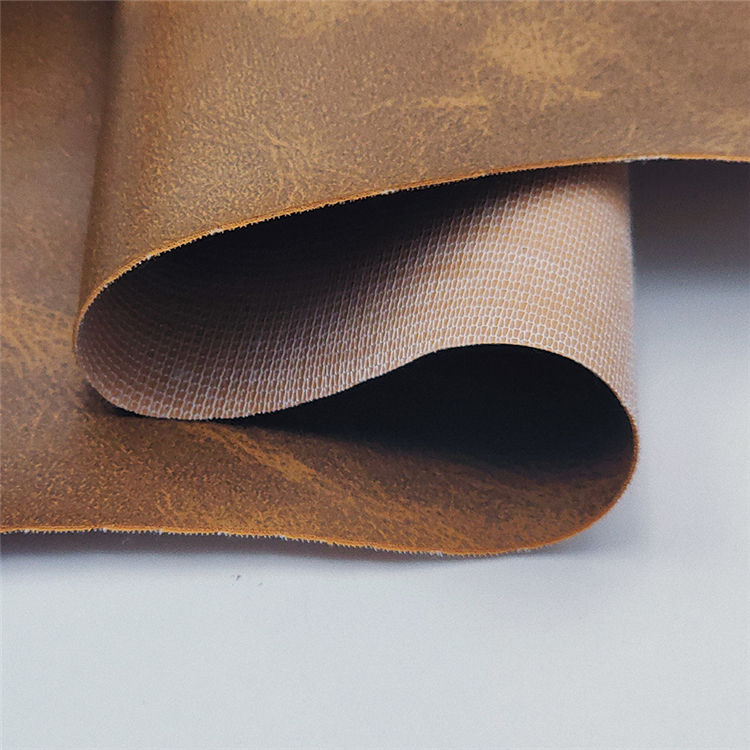
Vinyl leather, also known as PVC vinyl leatherette, is made from a synthetic resin called polyvinyl chloride. It is commonly used in upholstery, fashion accessories, and car interiors. Vinyl leather consists of a fabric base, typically made from polyester or cotton, which is coated with layers of PVC. This coating gives the material its leather-like appearance and texture.
Advantages of Vinyl Leather
One of the main advantages of vinyl leather is its durability. It is resistant to wear and tear, making it an excellent choice for high-traffic areas. Vinyl leather is also water-resistant, making it easy to clean and maintain. Additionally, it is less expensive than genuine leather, making it a budget-friendly option for those who want the look of leather without breaking the bank.
Limitations and Drawbacks of Vinyl Leather
While vinyl leather has its merits, it does have some limitations. One of the major drawbacks is that it can be less breathable than genuine leather, leading to a less comfortable seating experience, especially in warmer climates. Additionally, vinyl leather may not develop the same natural patina that real leather does over time. It can also be prone to cracking and peeling if not properly cared for.


3. Decoding PU Leather: Composition and Properties
The Composition of PU Leather
PU leather, short for polyurethane leather, is another type of synthetic leather commonly used in fashion, upholstery, and accessories. It is made by coating a fabric base with a layer of polyurethane. The fabric base can be made from materials like cotton, polyester, or nylon.
Key Properties of PU Leather
PU leather shares many similarities with genuine leather in terms of texture and appearance. It is soft and supple, offering a luxurious feel. Unlike vinyl leather, it is also more breathable, making it more comfortable to sit on for extended periods. PU leather is available in a wide range of colors and finishes, allowing for greater design flexibility.
Benefits and Downsides of PU Leather
One of the advantages of PU leather is its affordability. It is generally less expensive than both genuine leather and vinyl leather, making it an attractive option for those on a budget. PU leather is also more resistant to UV rays and does not crack or fade easily, ensuring its longevity. However, it is worth noting that PU leather may not be as durable as genuine leather and can be susceptible to peeling or delamination over time.


4. Unveiling PVC Leather: Composition and Key Attributes
Exploring the Composition of PVC Leather
PVC leather, or polyvinyl chloride leather, is a type of synthetic leather that is made by coating a fabric base with layers of PVC. It is commonly used in furniture upholstery, clothing, and accessories. PVC leather is known for its glossy and smooth surface, resembling genuine leather.
Distinctive Attributes of PVC Leather
One of the key attributes of PVC leather is its resistance to water and moisture. It is highly durable and can withstand spills and stains, making it ideal for environments prone to spills or high humidity. PVC leather also offers excellent color retention, ensuring that it maintains its vibrant appearance over time.
Pros and Cons of PVC Leather
PVC leather has its advantages, including its affordability compared to genuine leather. It is also easy to clean and maintain, requiring minimal effort to keep it looking good. However, like vinyl leather, PVC leather may lack breathability, which can make it uncomfortable in warmer temperatures. It can also be less environmentally friendly compared to other synthetic leathers due to the use of PVC, a material that is not biodegradable.
5. Considerations for Choosing Synthetic Leather: Durability, Performance, and Sustainability
Factors to Consider When Choosing Synthetic Leather
When choosing synthetic leather, several factors should be taken into account. Durability is crucial, especially for applications that experience heavy use or require resistance to wear and tear. Performance is another important consideration, as different types of synthetic leather may excel in specific characteristics, such as breathability or water resistance. Lastly, sustainability is becoming an increasingly significant factor, with more consumers seeking eco-friendly options.
Performance and Suitability for Different Applications
Synthetic leather finds applications in various industries, and the right choice depends on the specific requirements of each. For automotive upholstery, durability and resistance to spills may be the main considerations. In furniture and upholstery, comfort and breathability may be prioritized. Fashion and accessories may call for a balance of aesthetics, durability, and eco-friendliness. Understanding the performance attributes of different synthetic leathers helps make informed choices depending on the intended use.
Sustainability and Eco-Friendliness of Synthetic Leather
As sustainability gains importance, synthetic leather manufacturers are adapting to meet eco-friendly standards. Some companies offer options made from recycled materials or using water-based coatings instead of harmful chemicals. By choosing synthetic leather that prioritizes sustainability, you can reduce your environmental footprint and contribute to a greener future.
